Identifying Subterranean Termite Warning Signs in Middle Tennessee Crawl Spaces
Learn how to spot the early warning signs of subterranean termites in Middle Tennessee crawl spaces, from mud tubes and damaged joists to discarded swarmer wings.
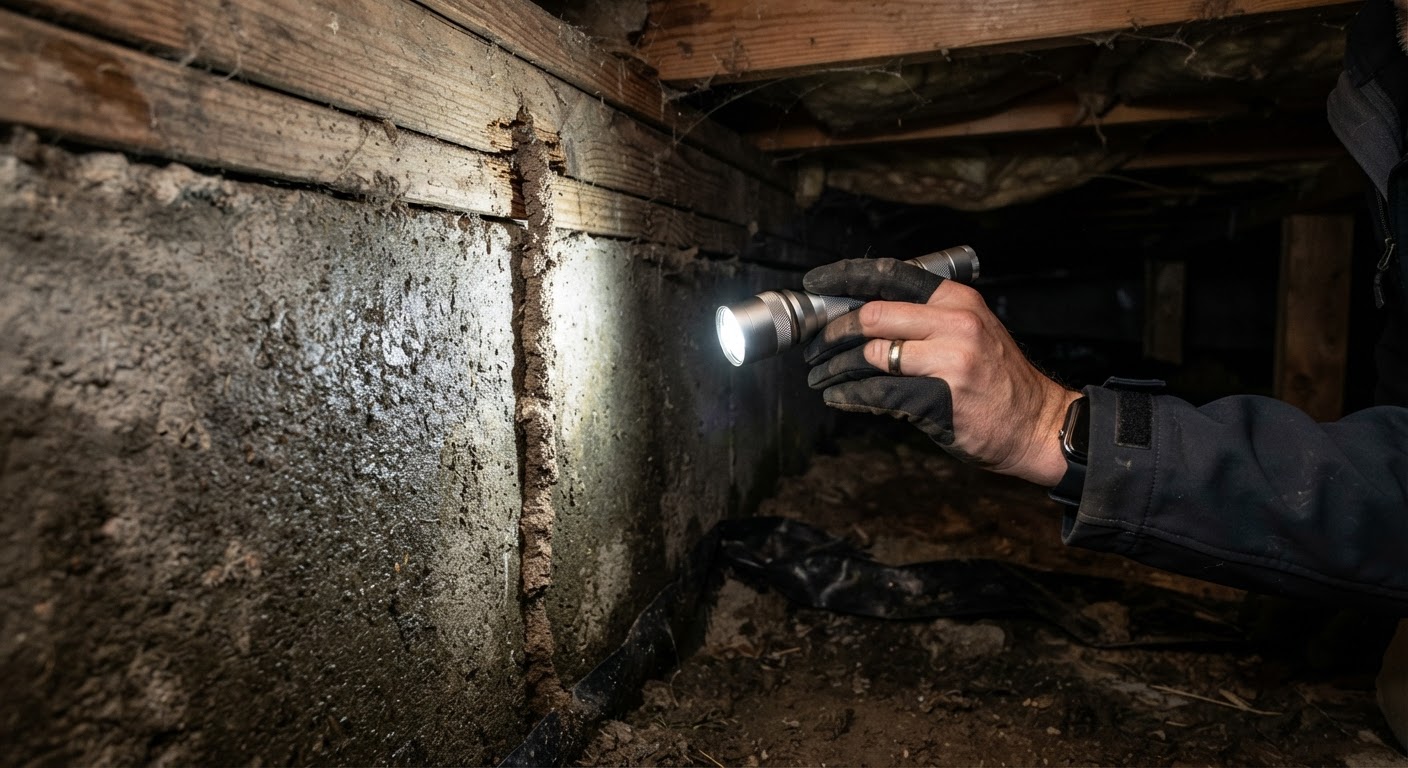
Crawl spaces are one of the most common foundation types found in homes across Hendersonville and the wider Middle Tennessee area. While they provide convenient access to plumbing, electrical lines, and HVAC ductwork, they also represent the frontline for wood-destroying organism activity. Subterranean termites thrive in environments where soil moisture and structural timber meet, making a dark, humid crawl space an ideal staging ground.
Because crawl spaces are rarely visited by homeowners, subterranean termite colonies can quietly establish exploratory tunnels, compromise subflooring, and weaken critical framing components long before damage becomes visible in the living areas above. Recognizing the subtle indicators of subterranean termite activity during a routine inspection is one of the most effective ways to protect your property from progressive structural damage.
Understanding the Subterranean Termite Threat in Middle Tennessee
Middle Tennessee sits squarely in a region characterized by high termite pressure. The combination of dense clay soils that retain ground moisture, warm and humid summer months, and mild transitions between seasons creates sustained periods of termite foraging. Eastern subterranean termites (Reticulitermes flavipes) are the primary species responsible for structural wood damage throughout the state.
Unlike drywood termites, subterranean termites live primarily in underground colonies where they rely on soil moisture to survive. They cannot survive prolonged exposure to dry, ambient air. Consequently, when these insects forage above ground to access structural timbers, they must construct protective mechanisms and maintain constant contact with damp soil or internal structural moisture reservoirs. The crawl space serves as the primary bridge between their subterranean nest and the framing of your home.
Key Warning Signs in the Crawl Space
Identifying termite presence requires knowing what structural elements to examine and understanding the specific physical evidence left behind by subterranean species. When evaluating a crawl space, inspect the perimeter foundation walls, support piers, sill plates, and band joists closely for the following indicators.
1. Mud Shelter Tubes
Mud tubes are the most definitive visual evidence of an active or recent subterranean termite intrusion. These pencil-thick to ribbon-wide conduits are constructed from a blend of soil particles, digested cellulose, saliva, and fecal matter. Termites build them across exposed non-wood surfaces—such as concrete masonry block walls, poured concrete footings, and brick piers—to travel between the earth and the wooden framing above while maintaining critical humidity levels.
- Working tubes: Typically about 1/4 to 1/2 inch wide, running vertically up foundation walls or support piers. If gently scraped away and termites are present inside, you will see pale, soft-bodied worker termites actively rebuilding the gap.
- Exploratory tubes: Narrower, irregular tubes that branch out across masonry or span gaps in search of timber. These may terminate without reaching wood if the foragers abandoned the pathway.
- Drop tubes: Free-hanging stalactite-like structures extending downward from floor joists or subfloors back toward the ground, designed to re-establish soil contact from above.
2. Wood Damage Along the Grain
Subterranean termites consume the softer springwood portion of lumber first, leaving the denser summerwood layers intact. This feeding pattern creates a distinct, layered, or fluted appearance inside damaged boards. Other noticeable characteristics of subterranean termite wood damage include:
- Soil packed in wood galleries: Unlike carpenter ants, which excavate smooth, clean galleries, or wood-boring beetles, which leave behind fine powdery frass, subterranean termites pack their feeding chambers with damp soil and fecal material.
- A hollow sound upon tapping: Sound lumber produces a solid, firm thud when tapped with the handle of a screwdriver. Timber that has been internally hollowed by termite feeding will sound thin, dull, or papery.
- Surface blistering or rippling: In severe cases, the outer shell of a sill plate or joist remains intact while the interior is hollowed. The thin outer layer of wood or paint may bubble, darken, or yield easily to light finger pressure.
3. Discarded Swarmer Wings
During the spring, mature subterranean termite colonies produce winged reproductive adults known as alates or swarmers. These swarmers emerge from colonies on warm days, typically following spring rain, to disperse, mate, and establish new nests. Because swarmers are weak fliers, they quickly shed their wings once they land.
In a crawl space, discarded wings are often found clustered on top of plastic vapor barriers, caught in spider webs along sill plates, or accumulated around foundation access doors and crawl space vent screens. Termite swarmer wings are translucent, approximately equal in length, and easily distinguished from ant wings, which feature unequal front and rear wing sizes and elbowed antennae.
4. Soil and Moisture Accumulation at Foundation Penetrations
Termites frequently use utility penetrations—such as plumbing supply lines, drain lines, and electrical conduits—as highways into the home. Look for accumulations of moist earth, mud spotting, or crusty residue around pipes entering the crawl space through the soil or concrete walls. When plumbing leaks go unaddressed, the moisture softens adjacent subflooring and provides termites with the hydration they need without having to return all the way to the soil.
High-Risk Areas to Inspect in Middle Tennessee Crawl Spaces
While every square foot of crawl space lumber deserves periodic review, subterranean termites concentrate their entry points where wood is closest to grade or where moisture levels remain elevated. Focus your attention on these critical junctions:
- The Mud Sill (Sill Plate): The horizontal wooden member resting directly atop the concrete or block foundation wall is the first structural element subterranean termites encounter after breaching the foundation.
- Masonry Support Piers: Center piers supporting main carrying beams often sit directly on ground-level footings, providing a direct vertical path for mud tubes.
- HVAC Condensation Lines: Air conditioning drain lines that discharge inside or immediately adjacent to the crawl space create localized damp zones in Middle Tennessee's humid climate, attracting foraging colonies.
- Crawl Space Transitions: Additions, porch steps, or attached patios where earth meets foundation walls at a higher elevation than the surrounding grade often create hidden entry points that bypass foundation visual checks.
Distinguishing Termites from Other Crawl Space Pests
Homeowners often confuse subterranean termite activity with other wood-destroying issues common to Middle Tennessee crawl spaces, such as wood-decay fungi (dry rot), powderpost beetles, or carpenter ants. Proper identification ensures that appropriate remediation measures are implemented.
Wood-decay fungi cause wood to crack into small cubical pieces and turn dark brown or white without leaving mud tubes or packed soil. Powderpost beetles produce tiny, pinhole-sized exit holes accompanied by piles of flour-like wood dust beneath joists. Carpenter ants hollow out smooth, debris-free galleries and kick out sawdust-like shavings containing insect fragments. If mud, soil, and layered grain damage are present, subterranean termites are the clear culprit.
Taking Action on Crawl Space Termite Activity
Discovering warning signs of subterranean termites requires prompt, measured intervention. Avoid disturbing existing mud tubes or attempting to treat structural framing with over-the-counter surface sprays, as this often causes the colony to shift feeding routes to deeper, less accessible areas of the structure without addressing the nest in the soil.
If you suspect subterranean termite activity or notice mud shelter tubes, soft timber, or shed wings beneath your home, contact Redwood Sentinel Pest Control. Our experienced team provides thorough termite inspections and targeted treatment solutions tailored to protect Hendersonville residences from structural pest damage.
Need help from Redwood Sentinel Pest Control?
Contact our team to discuss your service needs in Hendersonville and surrounding service areas.