Why High Crawl Space Humidity Attracts Camel Crickets and Centipedes
Discover how elevated humidity in Middle Tennessee crawl spaces creates the ideal habitat for camel crickets and predatory centipedes, and learn practical steps to break the cycle.
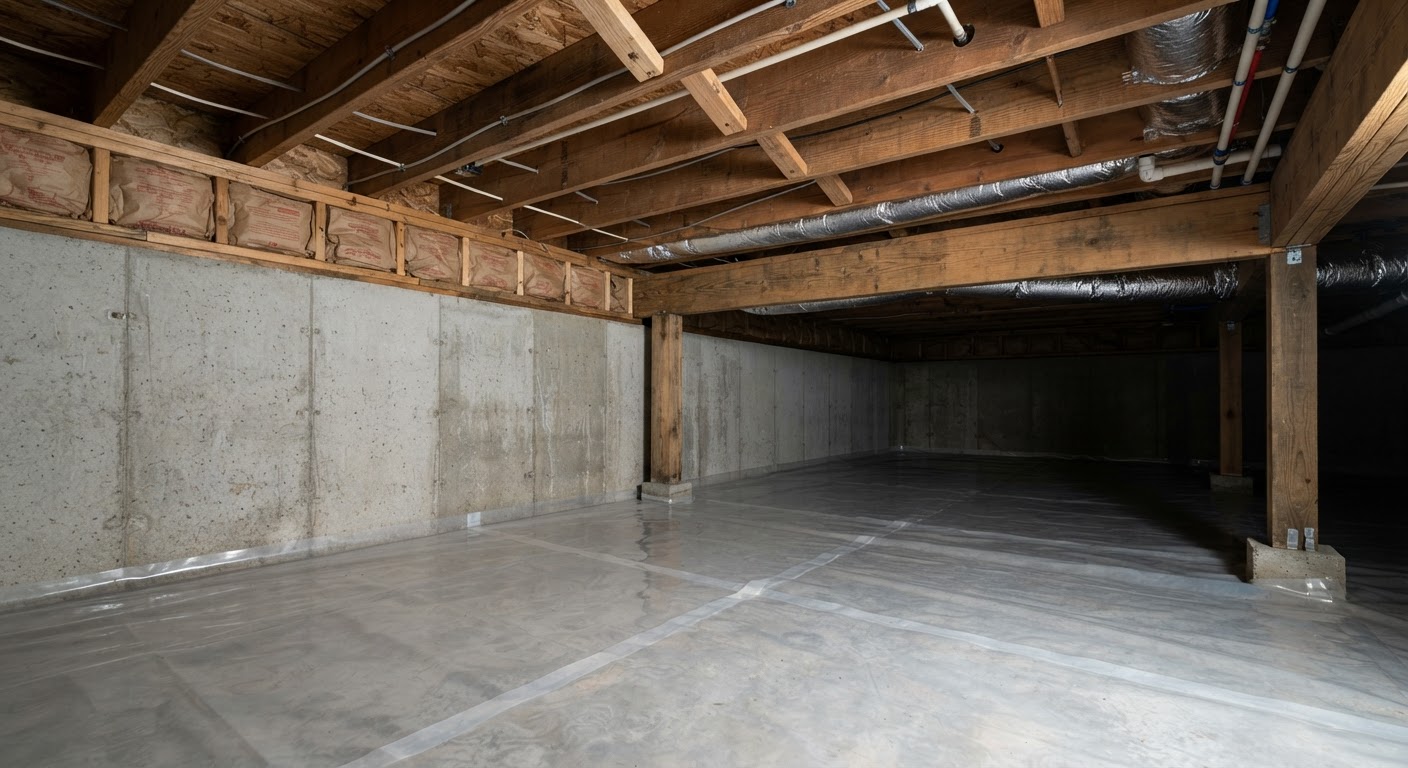
The Dark, Damp Microclimate Beneath Your Floors
For many homes in Hendersonville and across Middle Tennessee, crawl spaces serve as functional utility zones, housing plumbing lines, electrical wiring, and ductwork. However, these subterranean enclosures frequently become unintended sanctuaries for some of the most startling pests found indoors: camel crickets and centipedes. When homeowners notice large, erratic jumping insects or multi-legged predators darting across baseboards, the root cause rarely begins in the living room. Instead, the infestation almost always originates in the crawl space, driven by a single environmental factor: persistent moisture.
Understanding why high relative humidity transforms a crawl space into a breeding ground requires a closer look at the biology of these organisms, how moisture shapes the subfloor ecosystem, and how simple moisture management can disrupt their lifecycle before they venture upstairs.
Camel Crickets: Moisture-Dependent Scavengers
Camel crickets—often referred to locally as cave crickets, spider crickets, or "sprickets"—belong to the family Rhaphidophoridae. Unlike common field crickets, camel crickets do not chirp, nor do they possess wings. Instead, they are characterized by arched backs, long antennae, and disproportionately large hind legs built for explosive jumping.
These insects are biologically adapted to dark, cave-like environments, which makes a damp crawl space an ideal artificial habitat. Their presence is closely linked to humidity for several reasons:
- Vulnerability to Desiccation: Camel crickets lack the thick, waxy outer layer on their exoskeletons that helps other insects retain moisture. In dry air, their bodies lose water rapidly, leading to fatal dehydration within days. To survive, they require ambient relative humidity levels that remain consistently elevated, typically 70 percent or higher.
- Abundant Food Supply: High humidity encourages the growth of microscopic molds, mildews, and wood-decay fungi. Camel crickets are omnivorous scavengers that feed heavily on these fungal growths, along with decaying organic matter, rotting wood fibers, paper insulation backings, and even the carcasses of other insects.
- Absence of Sunlight: As nocturnal scavengers adapted to underground conditions, they thrive in perpetual darkness where moisture cannot easily evaporate.
When humidity remains unchecked beneath the home, camel crickets reproduce rapidly. As their numbers grow, competition for territory and food drives them upward toward the subfloor, seeking access points into the living areas of the house.
The Predator Follows the Prey: Enter the Centipede
While camel crickets are detritivores and scavengers, centipedes—most commonly the house centipede (Scutigera coleoptrata) and various soil centipedes—are obligate carnivores. Their appearance inside a crawl space is rarely a coincidence; they are actively hunting.
Centipedes are drawn to humid crawl spaces through a combination of physical need and predatory instinct:
- High Moisture Requirement: Much like camel crickets, centipedes do not possess a moisture-locking cuticle. They lose body water quickly through evaporation and respiration. If placed in an arid environment, a centipede will perish within hours. Consequently, they seek out cool, damp microclimates under foundation footings, damp soil, loose gravel, and unsealed vapor barriers.
- A Self-Sustaining Hunting Ground: Centipedes possess venomous claws (forcipules) used to paralyze prey. When a crawl space harbors a thriving population of camel crickets, silverfish, and sowbugs, it creates an abundant, predictable food source. Centipedes establish harborages in the dark recesses, stalking crickets across joists and foundation walls.
In essence, elevated crawl space humidity establishes a complete, self-sustaining food web directly beneath your living space. The moisture feeds the mold, the mold feeds the crickets, and the crickets feed the centipedes.
The Upward Migration: How Crawl Space Pests Enter the Home
A crawl space infestation rarely remains confined beneath the subfloor. As environmental conditions shift or populations surge, both camel crickets and centipedes inevitably make their way into living spaces. This migration typically happens in two ways:
The Stack Effect
Homes act like natural chimneys. Warm air rises through the upper levels and escapes through the attic, creating negative pressure on the lower levels. This pressure draws air upward from the crawl space through subfloor gaps, utility chases, pipe cutouts, and HVAC floor vents. Insects and moisture follow this air current, exploiting minute cracks to move from the foundation into conditioned rooms.
Seasonal Extremes
During the height of summer, ambient crawl space humidity can soar, causing cricket populations to boom. When autumn brings cooler, drier air, or during prolonged mid-summer dry spells, the fringes of the crawl space may begin to dry out. In search of stable humidity and temperate conditions, crickets and centipedes push further into wall voids, emerging through baseboards, under sinks, in laundry rooms, and around bathtub access panels.
Why Middle Tennessee Crawl Spaces Are Prone to Humidity
Crawl space moisture is especially prevalent in Hendersonville and the broader Middle Tennessee region due to local geography and climate patterns:
- Dense Clay Soil: The regional soil contains significant amounts of limestone-derived clay. Clay absorbs water slowly and retains it for long periods, preventing quick drainage after heavy seasonal rains and keeping the ground directly beneath a home persistently damp.
- High Ambient Summer Humidity: Middle Tennessee experiences long stretches of hot, muggy weather from late spring through early autumn. When warm, humid outdoor air enters traditional foundation vents, it collides with the cooler temperatures of the subfloor (typically ground temperature, around 55 to 65 degrees). As warm air cools, its relative humidity spikes, leading to condensation on subfloor joists and ductwork.
- Proximity to Waterways: Properties situated near Old Hickory Lake or adjacent creeks and drainage basins often deal with higher water tables, increasing hydrostatic pressure against foundation walls.
Steps to Eliminate the Attractants
Treating only the living areas of a home provides temporary relief at best, as it targets only the pests that have already migrated upstairs. Permanent resolution requires addressing the environmental factors in the crawl space that allow these populations to flourish.
- Inspect and Repair the Vapor Barrier: An exposed dirt floor continuously releases gallons of water vapor into the air daily. A heavy-duty, properly installed ground cover that overlaps seams and extends up foundation piers significantly limits ground-source moisture.
- Eliminate Standing Water: Ensure perimeter downspouts discharge several feet away from the foundation. Address negative exterior grading to prevent rainwater from pooling against crawl space walls.
- Seal Subfloor Penetrations: Caulk and seal gaps around plumbing lines, wiring, and duct boots where they penetrate the subfloor, cutting off direct highways between the crawl space and your living quarters.
- Regulate Subfloor Humidity: Maintain crawl space relative humidity below 60 percent. In modern crawl space management, this is often achieved through closed-crawl space techniques paired with dedicated crawl space dehumidifiers.
- Targeted Perimeter and Crawl Space Treatments: Professional pest control applications can quickly suppress active populations of crickets and centipedes around the foundation perimeter and within the crawl space while environmental controls take effect.
Restore Balance to Your Home's Foundation
Camel crickets and centipedes are indicator pests: their presence in significant numbers is a direct signal that moisture levels beneath your home require attention. By controlling the subfloor climate and removing the conditions that sustain them, you protect both your home's structural framing from moisture-related issues and your indoor living spaces from unwanted multi-legged visitors.
If you suspect an active pest problem or persistent dampness beneath your Hendersonville home, Redwood Sentinel Pest Control provides thorough inspections and customized treatment plans to secure your crawl space and protect your family.
Need help from Redwood Sentinel Pest Control?
Contact our team to discuss your service needs in Hendersonville and surrounding service areas.