Roof Rats vs. Norway Rats: Distinguishing Behaviors, Nesting, and Risks
Discover the critical differences between roof rats and Norway rats, from physical characteristics and nesting sites to the unique structural and health risks they present to homeowners.
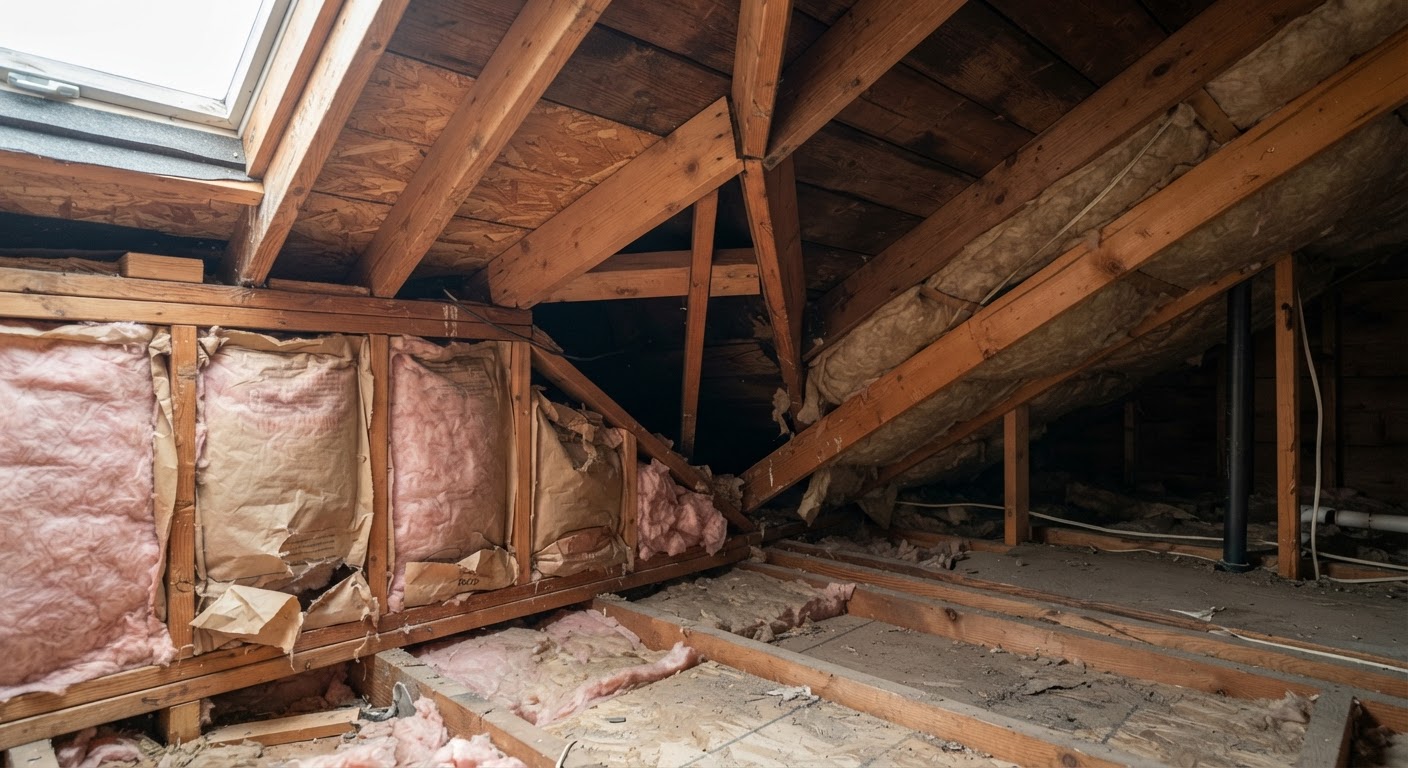
Finding evidence of rodents inside a home is an alarming experience for any property owner. In Middle Tennessee, residential rat infestations typically involve one of two species: the roof rat (Rattus rattus) or the Norway rat (Rattus norvegicus). While both pests are destructive, unhygienic, and prolific breeders, they possess markedly different behaviors, nesting preferences, and physical characteristics. Understanding which species has invaded your home is essential because an eradication plan designed for one will often completely fail against the other.
Physical Characteristics: How to Tell Them Apart
At a glance, many people simply see a large rodent and assume all rats are the same. However, close inspection reveals distinct anatomical differences that reflect each species' environmental adaptations.
Roof Rats (Black Rats or Fruit Rats)
- Build: Sleek, slender, and graceful bodies built for climbing.
- Size: Typically measure 6 to 8 inches in body length, weighing between 5 and 9 ounces.
- Tail: Exceptionally long, scaly, and hairless; the tail is always longer than the combined length of the head and body.
- Head: Pointed muzzle with large, prominent eyes and thin, almost hairless ears that can easily be folded over the eyes.
- Coloration: Grayish-brown to charcoal black with a lighter gray or white underside.
Norway Rats (Brown Rats or Sewer Rats)
- Build: Stocky, heavy-set, and robust bodies suited for digging and burrowing.
- Size: Noticeably larger and heavier, measuring 7 to 10 inches in body length and weighing between 10 and 17 ounces.
- Tail: Shorter than the combined length of the head and body, thick and scaly.
- Head: Blunt, rounded muzzle with small, bead-like eyes and small, close-set ears covered in fine hairs.
- Coloration: Coarse fur that ranges from reddish-brown to grayish-brown, typically with an off-white or yellowish belly.
Behavioral Patterns and Dietary Tendencies
The evolutionary backgrounds of these two rodents have shaped contrasting behavior patterns, especially regarding mobility and diet.
Roof rats are natural acrobats. Originating in tropical arboreal environments, they are agile climbers that spend much of their lives above ground level. They frequently travel along overhead power lines, tree branches, roof gutters, and fence rails. They are also considered neophobic, meaning they are exceptionally wary of new objects in their territory, which makes them cautious around newly introduced snap traps or bait stations. Roof rats prefer a plant-based diet consisting of fresh fruits, nuts, seeds, berries, and ornamental plants, though they will readily consume pet food left outdoors.
Norway rats, by contrast, are ground-dwelling burrowers. While they can climb when necessary, they prefer to stay close to the floor or soil. They are powerful swimmers and diggers, capable of excavating extensive underground tunnel networks. In terms of diet, Norway rats are true opportunists and scavengers. They require high-protein foods and gravitate toward meats, grains, discarded household trash, decaying matter, and pet waste. Their daily water requirement is substantial, meaning they rarely establish long-term nests far from a dependable water source.
Nesting Habits: High Versus Low
Perhaps the most critical difference between these two pests is their vertical nesting preference. When investigating strange noises in a house, the location of the sounds offers strong clues regarding the intruder's identity.
Where Roof Rats Nest
Roof rats seek elevated shelter where they feel safe from ground predators. In residential settings, they target:
- Attics and ceiling voids, tunneling through blown-in or fiberglass insulation
- Soffits, eaves, and roof fascia gaps
- Upper-level wall cavities
- Dense ivy, climbing vines, or the crowns of tall trees adjacent to structures
- Chimney chases and upper utility penetrations
If you hear scratching, scurrying, or squeaking overhead in the middle of the night, a roof rat infestation is a strong possibility.
Where Norway Rats Nest
Norway rats prefer to establish their colonies at or below ground level. Common harboring sites include:
- Crawl spaces and unfinished basements
- Burrows dug beneath building foundations, concrete patios, and sidewalks
- Gaps beneath woodpiles, compost heaps, and storage sheds
- Floor-level wall voids and utility crawl corridors
- Sewers, storm drains, and moist drainage ditches
Scratching sounds emanating from beneath floorboards, behind low kitchen cabinetry, or within a crawl space usually point toward Norway rats.
Identifying Signs of Infestation
Even if you never catch a glimpse of the rodents themselves, they leave distinct physical markers that reveal their presence and species.
Droppings
Fecal evidence is one of the most reliable diagnostic tools. Roof rat droppings are roughly 1/2 inch long, slender, and curved with pointed ends, often resembling oversized grains of dark rice. Norway rat droppings are larger (up to 3/4 inch long), thicker, and capsule-shaped with blunt, rounded ends. You will typically find roof rat droppings scattered across attic insulation or rafters, whereas Norway rat droppings tend to be concentrated in clusters along floor baseboards or in crawl space corners.
Rub Marks and Gnawing
Rats have oily coats that leave dark, greasy smudge marks along the surfaces they travel against repeatedly. Roof rats leave grease marks high on ceiling joists, roof rafters, and pipe runs. Norway rats leave low rub marks along wall baseboards, foundation ledges, and floor joists. Both species must gnaw continuously to keep their incisors worn down, leaving clean, light-colored tooth marks on wood, drywall, plastic, and wiring that darken as the damage ages.
Health Hazards and Property Damage
Regardless of species, having rats inside a residential dwelling introduces severe risks to human health and home integrity.
Disease Transmission
Rats carry and transmit numerous pathogens. They shed bacteria such as Salmonella on food preparation surfaces, pantries, and cookware. Norway rats are frequently associated with leptospirosis, a bacterial infection spread through contact with infected urine. Both species can carry rat-bite fever and harbor external parasites, including fleas, ticks, and mites. Historically, roof rat fleas were the primary vector for the bubonic plague, and they continue to pose vector-borne health concerns today.
Structural Damage and Fire Hazards
A rat's teeth are hard enough to chew through wood, plastic plumbing lines, aluminum flashing, and electrical wiring. Gnawed electrical cables represent a major hidden cause of residential attic fires. Furthermore, nesting rodents compact, soil, and shred attic insulation, severely reducing thermal efficiency and creating unpleasant odors that can permeate the living spaces below.
Why Species Identification Dictates Control
Attempting to resolve a rat infestation without identifying the species usually results in wasted effort. For instance, placing traps solely on the basement floor will accomplish little if a family of roof rats is thriving thirty feet above in the attic. Conversely, focusing exclusion work only around the roofline leaves ground-level entry points wide open for burrowing Norway rats.
A successful rodent management program requires a comprehensive inspection to locate specific entry points, whether they are foundation vents in the crawl space or gaps under the roof ridge cap. Strategic trap placement, proper bait selection that matches dietary habits, and complete exclusion sealing using durable materials like heavy-gauge hardware cloth and metal flashing are vital to permanently removing these pests.
For homeowners in Hendersonville and neighboring Middle Tennessee communities, seasonal temperature shifts frequently drive both roof rats and Norway rats indoors seeking food and warmth. If you suspect rodent activity in your attic, crawl space, or living areas, contact Redwood Sentinel Pest Control for a thorough inspection and targeted rodent management plan tailored to your home.
Need help from Redwood Sentinel Pest Control?
Contact our team to discuss your service needs in Hendersonville and surrounding service areas.