Old Hickory Lake Spring Pest Awakening: Protecting Your Hendersonville Home
As spring temperatures warm near Old Hickory Lake, pests wake up and seek shelter. Learn how lakefront humidity affects termites, ants, and rodents in Hendersonville.
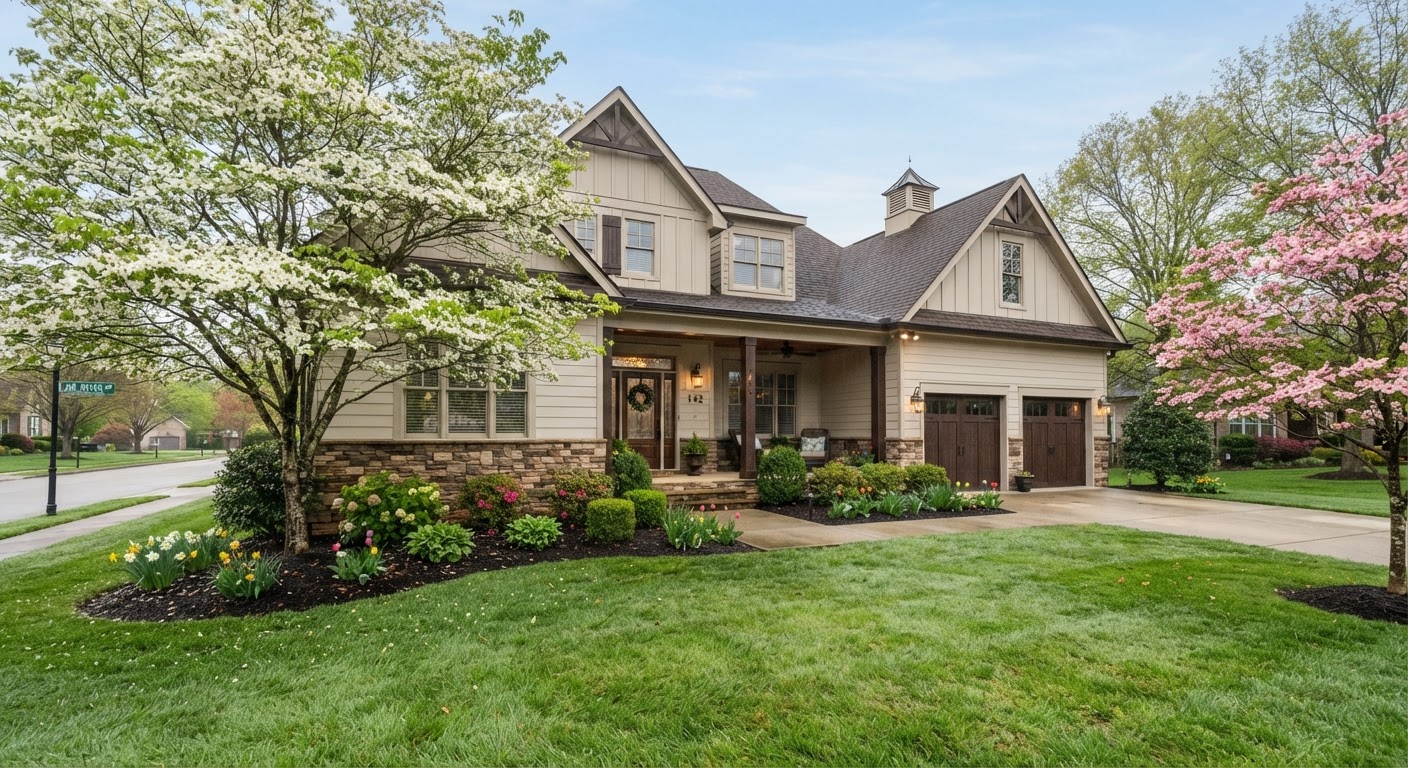
Springtime in Hendersonville brings vibrant blooming landscapes, warmer breezes across Old Hickory Lake, and an eagerness to spend more time outdoors. However, human residents are not the only ones responding to rising temperatures. Beneath the soil, inside tree canopies, and along lakefront shorelines, Middle Tennessee’s insect and wildlife populations are breaking winter dormancy. The unique geography surrounding Old Hickory Lake plays an influential role in how and when these pests become active, often turning residential properties into prime targets for early-season foraging and nesting.
The Lakeside Microclimate and Pest Emergence
Old Hickory Lake is a defining feature of Hendersonville, shaping our local ecology and creating a microclimate characterized by sustained moisture, rich alluvial soils, and dense shoreline vegetation. While these conditions make the area picturesque, they also create ideal incubators for a wide variety of household pests.
As soil temperatures consistently rise above 50 to 55 degrees Fahrenheit, biological activity accelerates. Waterfront properties, as well as homes situated in nearby neighborhoods along Drakes Creek and Sanders Ferry, frequently experience higher ambient humidity and higher water tables. This continuous moisture softens the soil, accelerates organic decay in mulch beds, and prompts pests to move upward and outward in search of food and dry harboring locations.
Subterranean Termites: Swarming Season Arrives
Among the most urgent early-spring concerns in Middle Tennessee is the subterranean termite. These wood-destroying insects live in large underground colonies throughout our region, relying on moisture in the soil to survive.
When the first warm, humid days arrive—often immediately following a steady spring rainfall—established termite colonies produce winged reproductive forms called swarmers or alates. Their primary goal is to take flight, find a mate, and establish a new colony site. In lake-adjacent communities, saturated ground can force termites to explore alternative structures above the water line, leading them straight to residential foundations, crawl space sill plates, and subflooring.
Recognizing Swarmer Activity
Homeowners often confuse termite swarmers with flying ants. Termites have straight antennae, uniform body widths without a narrow waist, and four wings of equal length that are shed shortly after landing. If you discover discarded, translucent wings piled on interior windowsills, near baseboards, or around outdoor entry thresholds, it is an unmistakable sign that a colony is active nearby.
Ants on the March: From Soil to Kitchen Pantries
While termites target the structural timbers of a home, various ant species capitalize on spring warming to establish foraging trails straight into living spaces. Saturated soils around Hendersonville properties frequently flood underground ant nests, prompting entire colonies to relocate or seek food resources indoors.
- Odorous House Ants: These small, dark ants travel in persistent trails. They are notoriously attracted to sweets and moisture, often establishing satellite colonies inside wall voids, under bathroom sinks, or beneath kitchen appliances during damp spring spells.
- Carpenter Ants: Unlike termites, carpenter ants do not eat wood, but they excavate smooth galleries inside damp or compromised structural lumber to build their nests. Homes with moisture issues caused by heavy spring lake rains or poor gutter drainage are particularly vulnerable to carpenter ant intrusion.
- Pavement Ants: Commonly seen emerging from foundation cracks, patios, and driveways, pavement ants forage aggressively as temperatures climb, exploiting tiny expansion joints to gain entry into your home.
Shifting Rodent Dynamics in the Spring Transition
Rodents such as roof rats, Norway rats, and house mice are typically viewed as cold-weather nuisances, but the arrival of spring does not mean they simply vanish. Instead, warming temperatures trigger a shift in rodent behavior that presents distinct challenges for Hendersonville homeowners.
During early spring, rodents that nested inside attics, crawl spaces, or insulated walls during the winter months begin actively foraging for food while seeking new nesting areas for their rapid breeding cycles. The abundant ground cover and lakeside riprap along Old Hickory Lake offer ideal transit routes. As adult rodents explore, they create persistent pathways between outdoor food sources and secure indoor nesting sites.
Furthermore, spring rains can raise crawl space humidity and flood exterior burrows, encouraging mice and rats to remain securely tucked inside your home rather than migrating back to the outdoors. Inspecting potential exterior openings, such as foundation vents, roofline gaps, and garage door weatherstripping, is just as critical in the spring as it is in the autumn.
Moisture Pests and Old Hickory Lake Runoff
High moisture levels coupled with warming conditions foster rapid populations of perimeter pests that, while not typically destructive, create significant indoor nuisances. Hendersonville homes with expansive landscaping or proximity to water drainage areas frequently see early surges in:
- Silverfish: Thriving in humid basements, crawl spaces, and bathrooms, these pests feed on carbohydrates and starches found in wallpapers, book bindings, and cardboard.
- Centipedes and Millipedes: Living in damp mulch, leaf litter, and beneath stones, millipedes often migrate into ground-level rooms in large numbers when heavy spring rains flood their natural habitats.
- Springtails: Tiny, jumping insects that feed on mold and decaying matter, springtails frequently invade crawl spaces and ground-floor bathrooms when exterior mulch beds stay constantly damp.
Practical Spring Defenses for Hendersonville Homes
Mitigating pest risks during the spring awakening requires an approach focused on environmental controls and physical exclusion. By addressing the factors that draw pests toward your foundation, you significantly reduce the likelihood of an infestation.
Manage Surface and Foundation Moisture
Because Old Hickory Lake keeps local humidity elevated, controlling water around your foundation is critical. Ensure downspouts extend several feet away from the structure, clear winter debris from gutters to prevent overflowing, and grade garden beds so water flows away from exterior walls. If your home has a crawl space, ensure foundation vents are unobstructed or consider a moisture barrier to keep ambient humidity low.
Create a Defensive Landscaping Buffer
Keep mulch, wood chips, and organic ground covers pulled back at least twelve inches from the foundation. Organic mulch retains moisture and provides heat, creating an ideal haven for termites and ants right against your siding. Trim overhanging tree branches and dense shrubs away from exterior walls and roof eaves, removing the natural bridges pests use to access upper levels of your home.
Seal Structural Entry Points
Conduct a thorough perimeter inspection as the weather warms. Seal cracks in the foundation with masonry caulk, repair damaged window screens, and replace worn weatherstripping on exterior doors. Pay close attention to utility penetrations where plumbing lines, electrical wiring, or HVAC conduits enter through the exterior walls.
Protect Your Home with Redwood Sentinel Pest Control
Spring around Old Hickory Lake should be enjoyed without the disruption of unwanted pests invading your living space. Redwood Sentinel Pest Control provides tailored residential pest control, targeted termite inspections, and comprehensive rodent control designed specifically for the unique conditions of Hendersonville homes. Contact our local team today to schedule your spring inspection and keep your home protected throughout the season.
Need help from Redwood Sentinel Pest Control?
Contact our team to discuss your service needs in Hendersonville and surrounding service areas.